This page has been idle for a while. To make sure you don't miss out on the latest content, please reload the page.Refresh




















Search
Date
Category
Fee
Location(Max. locations: 5)
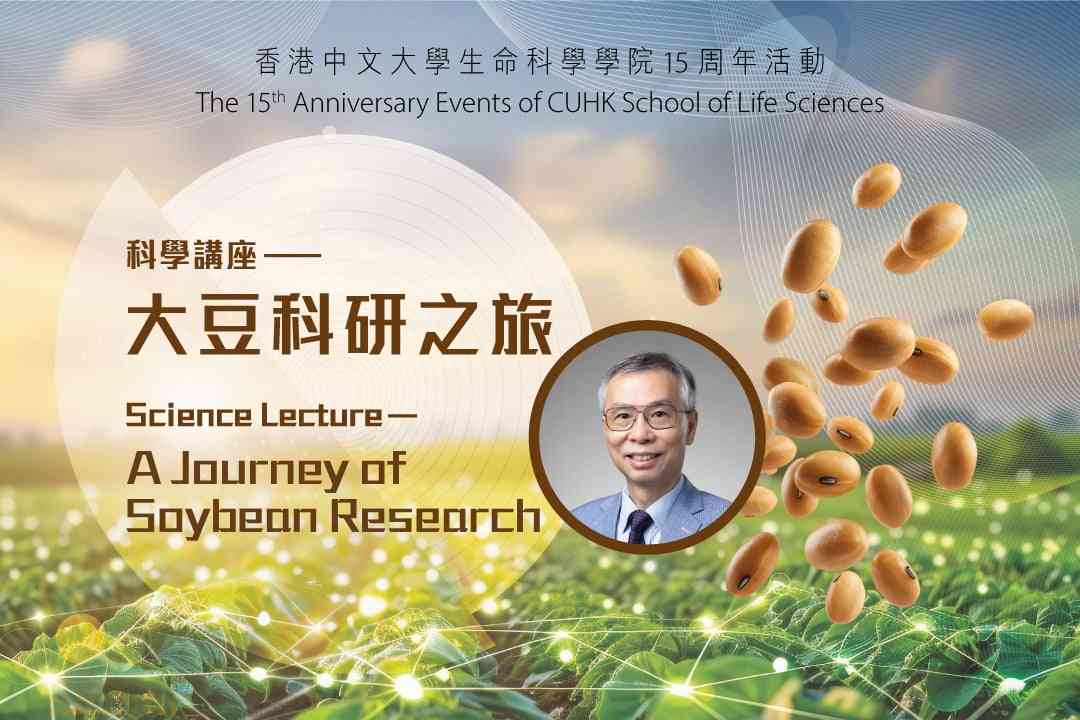
Tsim Sha Tsui Hong Kong Science Museum|"A Journey of Soybean Research" Science Lecture
1 Images
1 Images
Description
Soybeans are originated from China. They have now become a major source of protein and edible oil worldwide and are closely linked to global food security. Soybeans can increase nitrogen levels in the soil through symbiotic nitrogen fixation, which helps reduce carbon emissions caused by the production and use of synthetic nitrogen fertilisers. This promotes a balance between sustainable environmental practices and agricultural activities.
Professor Lam Hon-ming has dedicated to soybean research for over 28 years. In a research project titled “Soybean Homecoming”, he led a collaborative team in pioneering the use of advanced genomic technologies to elucidate the biodiversity of Chinese soybeans, establishing himself as a trailblazer in international soybean genomic research. His team successfully identified the key salt-tolerant genes in soybeans and developed resilient soybean varieties for farmers to cultivate on lands with undesirable conditions. This achievement embodies the vision of “writing research papers on the fields”. In this lecture, Professor Lam will share his personal journey and insights from his soybean research endeavours.
Speaker: Professor LAM Hon-ming (Choh-Ming Li Professor of Life Sciences, School of Life Sciences, The Chinese University of Hong Kong)
Language: Cantonese
Free admission on a first-come, first-served basis
Date and Location
(Sat)
3:00pm - 4:00pm
Lecture Hall, 1/F, Hong Kong Science Museum
MTR Tsim Sha Tsui Station Exit B2;
MTR East Tsim Sha Tsui Station Exit P2
Tsim Sha Tsui Events



Highlights


![Kai Tak Stadium | [25+ Emperor Entertainment Group All-Star Concert] Total investment exceeding 100 million RMB; Top stars and award-winning actors perform; A phenomenal show at Kai Tak Main Stadium; A golden team crafts a stage with intricate mechanisms](https://img.etnet.com.hk/customcover/event/2026/02/25/Emperorgpcon-2026-1_m.jpg)



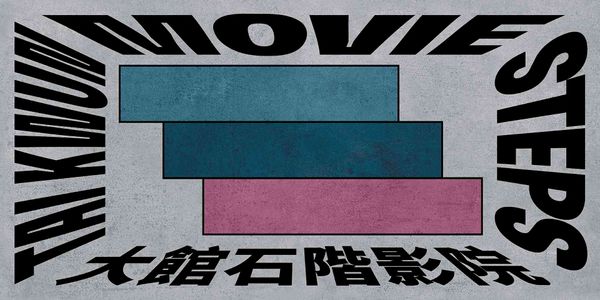
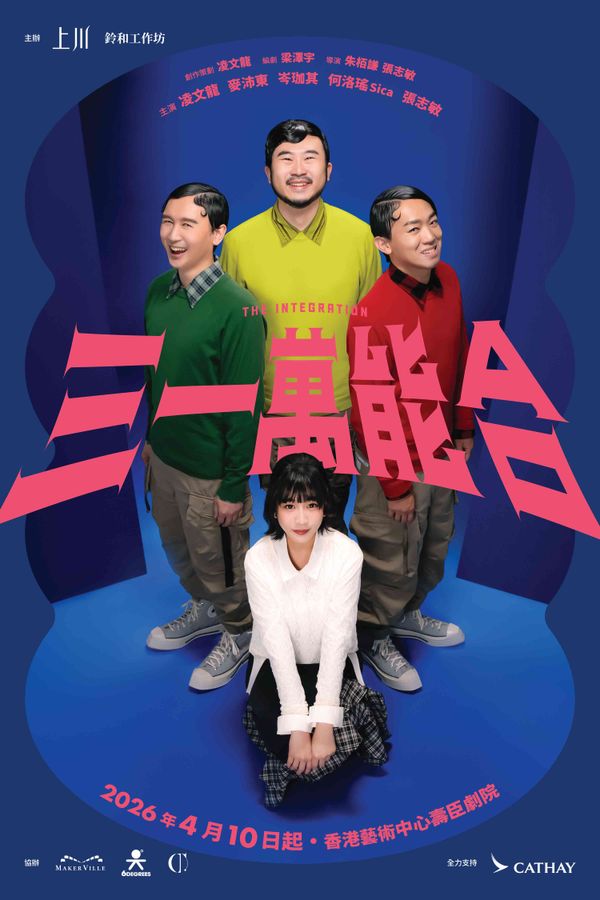
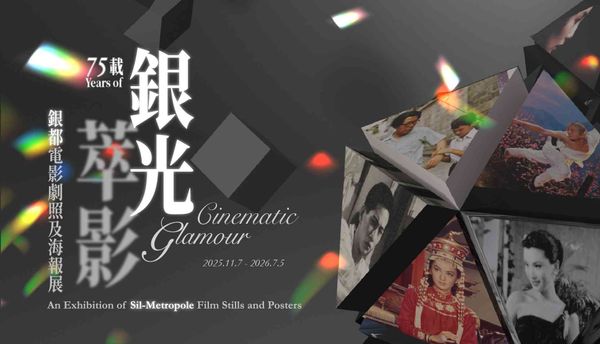
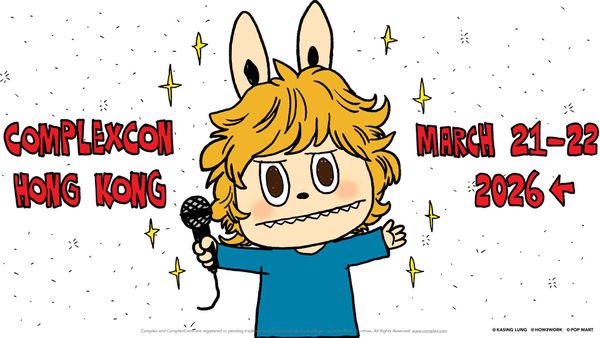
Exhibition Hotpick


Drama and Film Featured
Mall Events
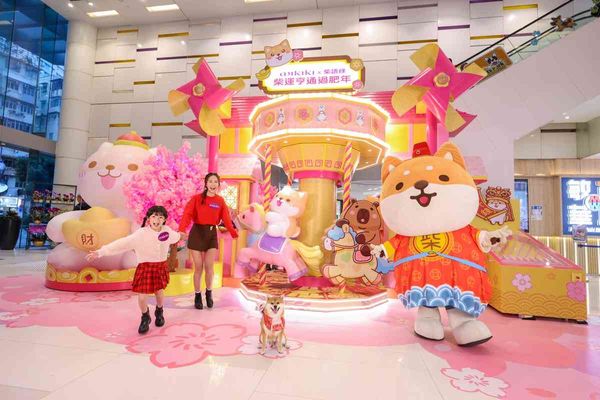
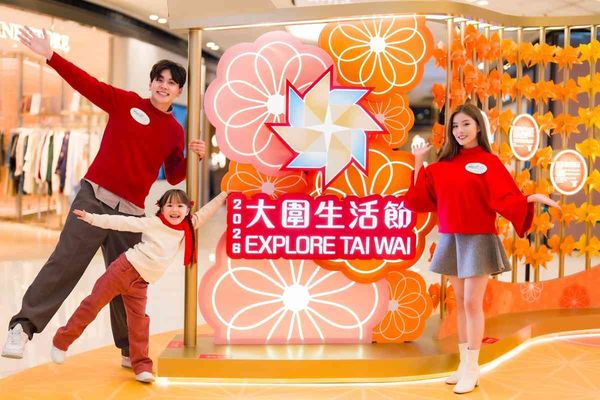
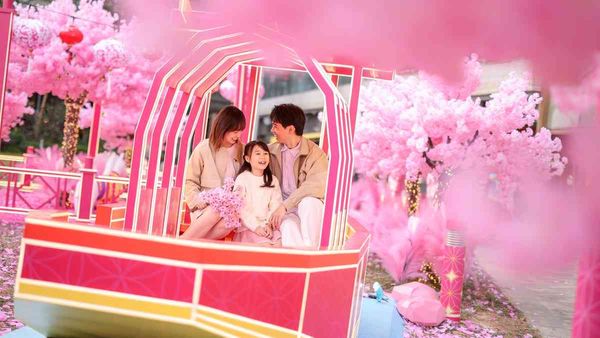
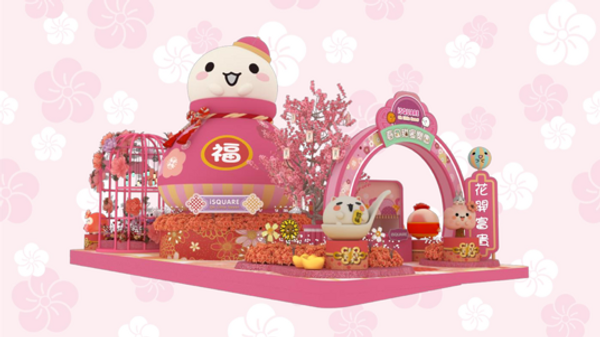
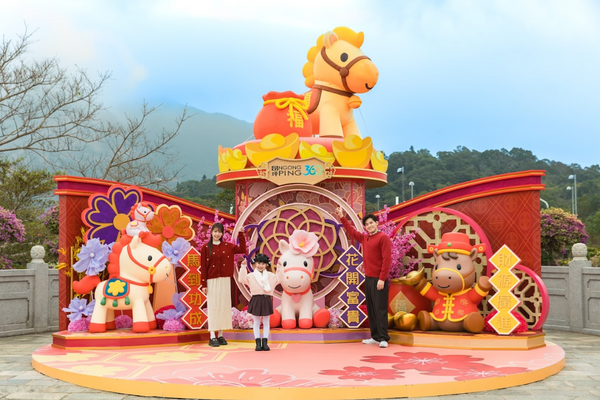

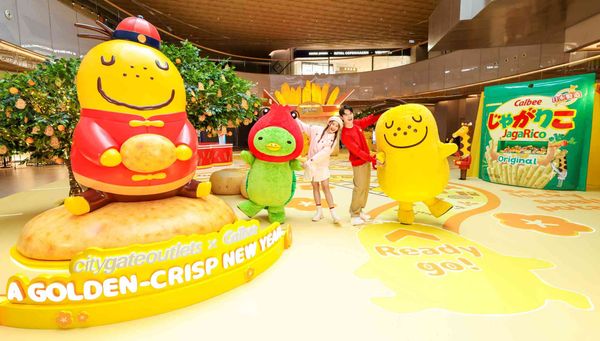
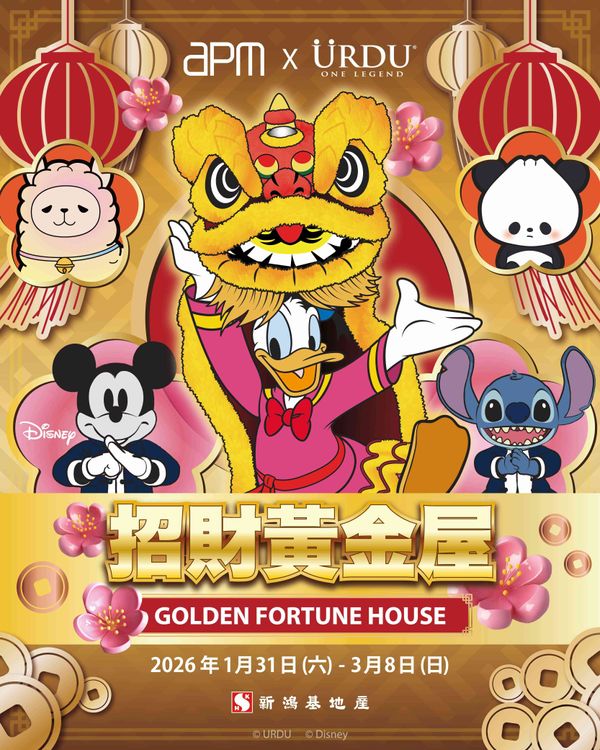
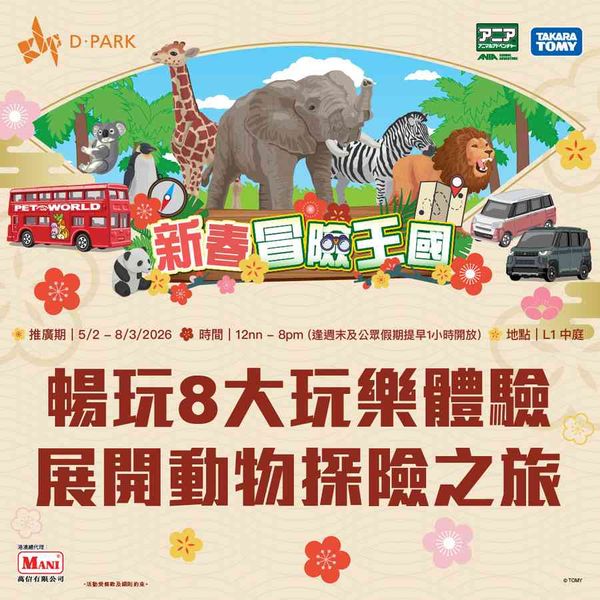


Concert
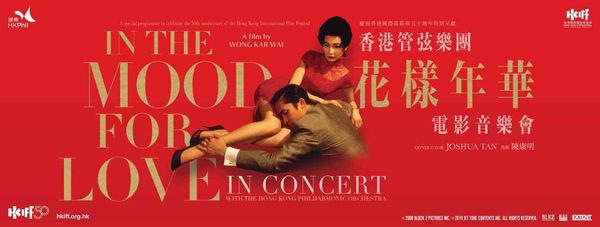
![Kai Tak Stadium | Mayday [Back to That Day] 25th Anniversary World Tour Hong Kong Spring Blossom Edition](https://img.etnet.com.hk/customcover/event/2026/02/04/Maydayhkcon2026-1_m.jpg)


最新
人氣
etnet TV
財經新聞
評論
專題透視
生活
DIVA
健康好人生
香港好去處